Indoor Farming
Financial Modeling
Indoor Farming
Financial Modeling
Track Record of Profitable Indoor Farming
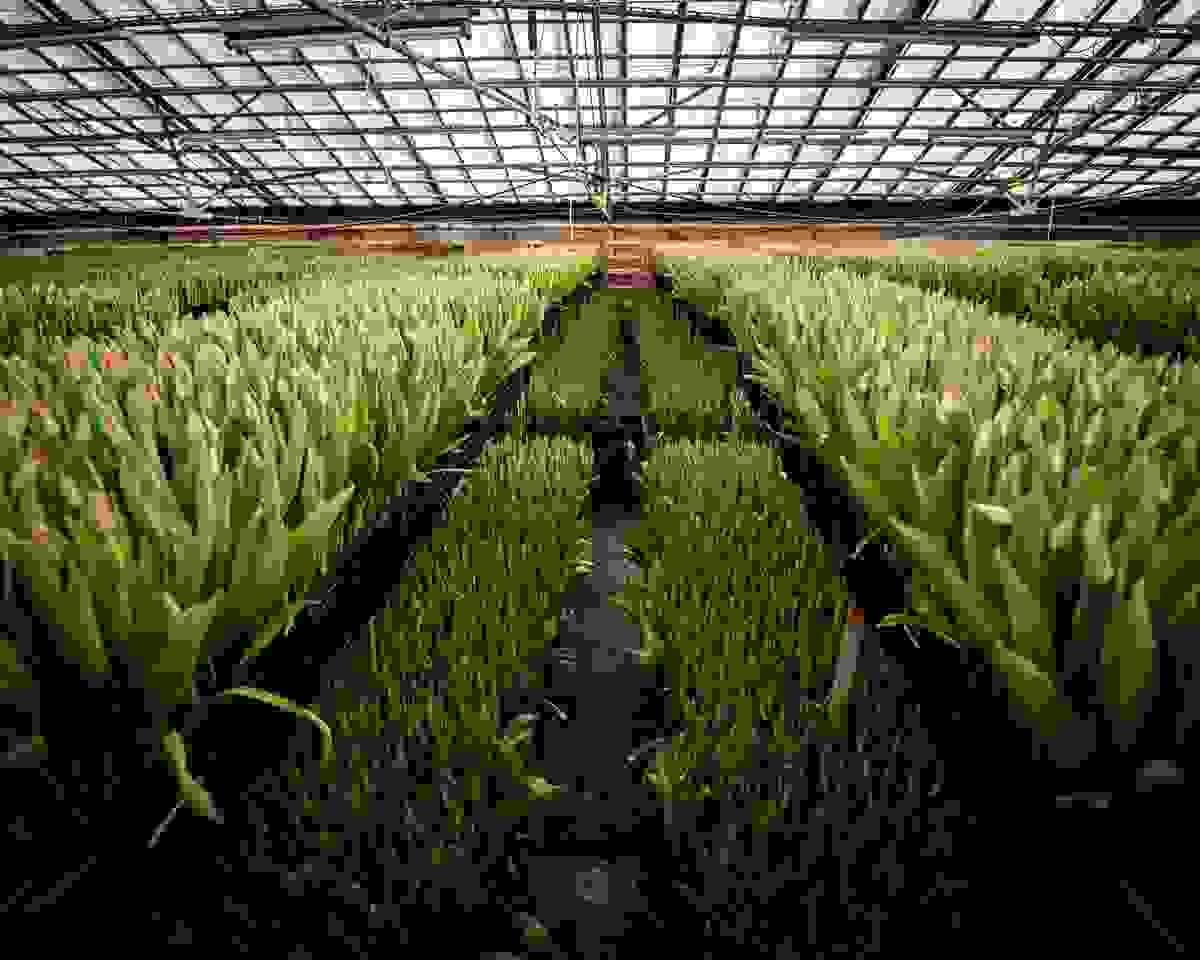
New Growing Designs, Updated Financial Models
Indoor farming is profitable when the right match of market, product, production and financial structure are designed on a modular, scalable approach.
The new facility designs and technologies proivde both benefits and risks requiring updated business models supported by updated financial models. The result: New models go beyond standardized financial modeling because they are informed by successes and failures of the US mushroom industry.
Incremental Technology Adoption and Growth
Build on Successful Models, Learn from Mistakes
Incremental Design starts with creating designs for managed, incremental growth of production using adopted for an indoor farm plan, whether it's a new system design. Specific technologies are added in a step-by-step process within a facility to generate production increases. Additions are made when market demand confirms price/quality acceptance.
In the current era of controlled environment technology, we apply a four-phased approach to indoor farming business-financial modeling:
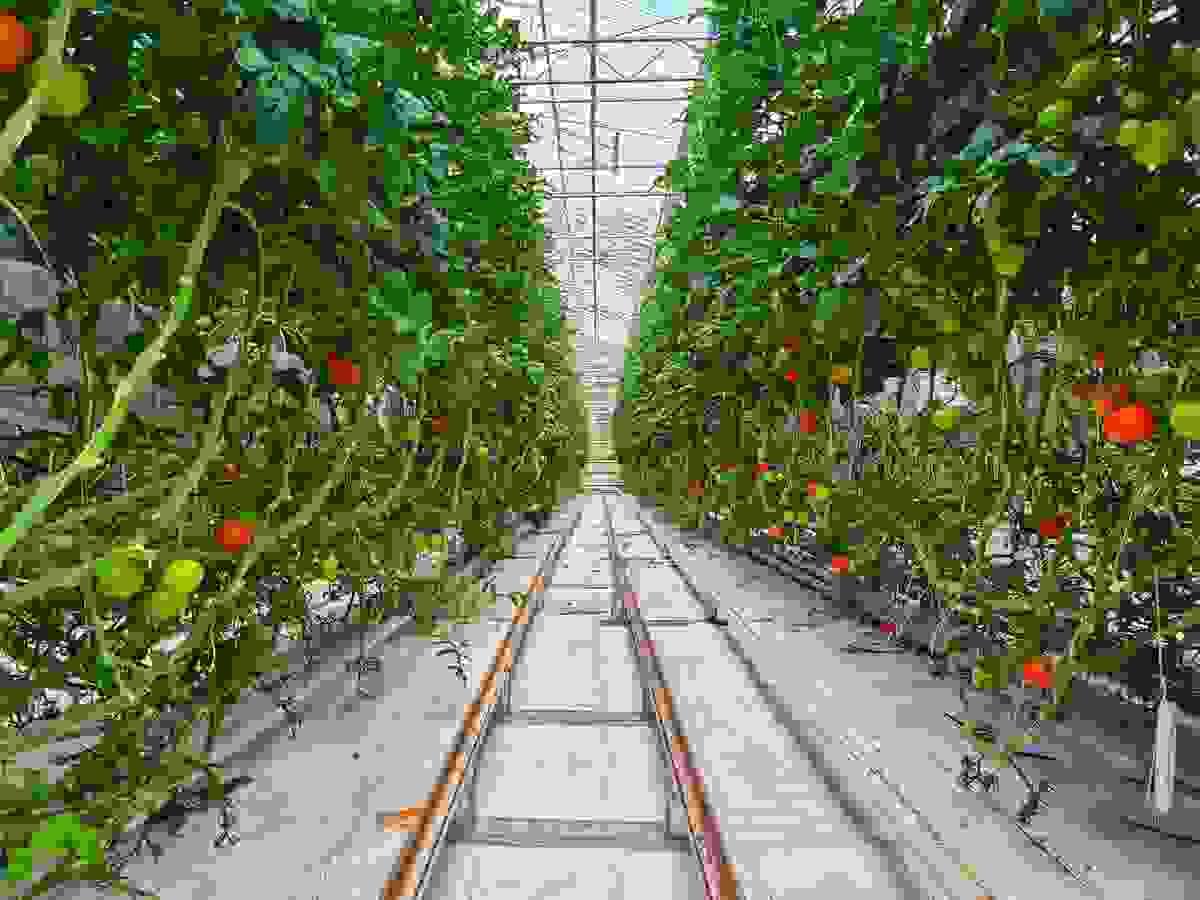
PHASE 1 - Modular Design
Facility and plant layout is designed for modular addition, whether by growing room or racks.
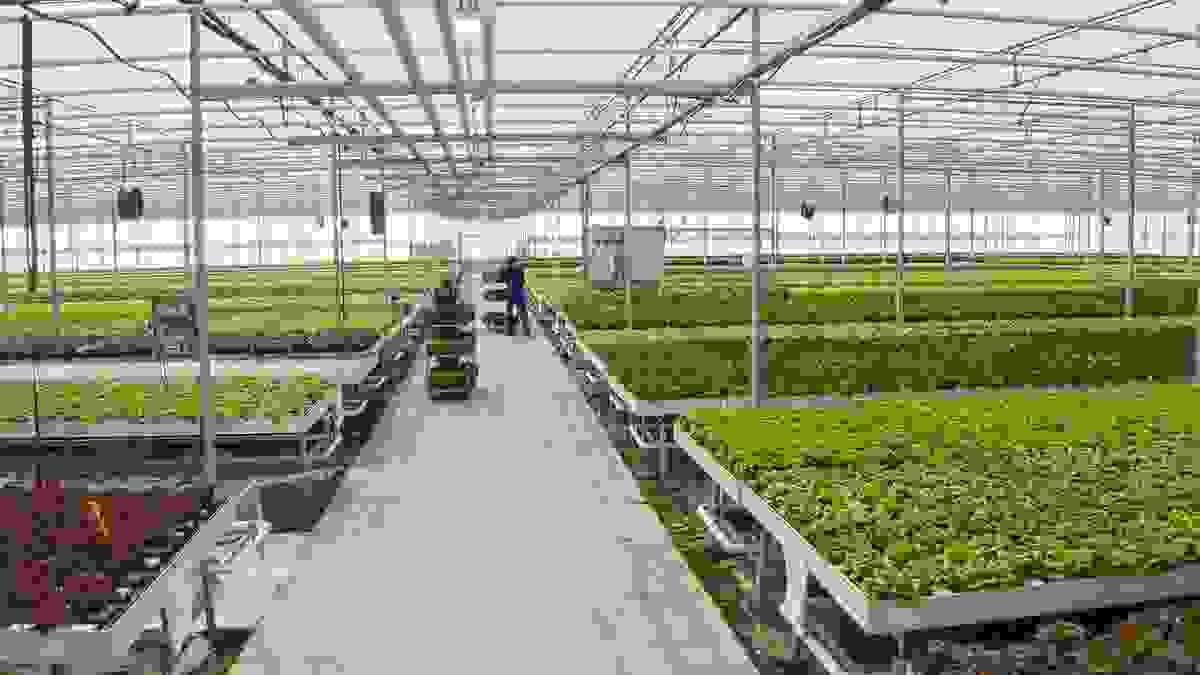
PHASE 2 - Production Scenarios
The optional mixes of markets, distribution channels, crops and cost-factor-inputs are modeled for optional production scenarios.
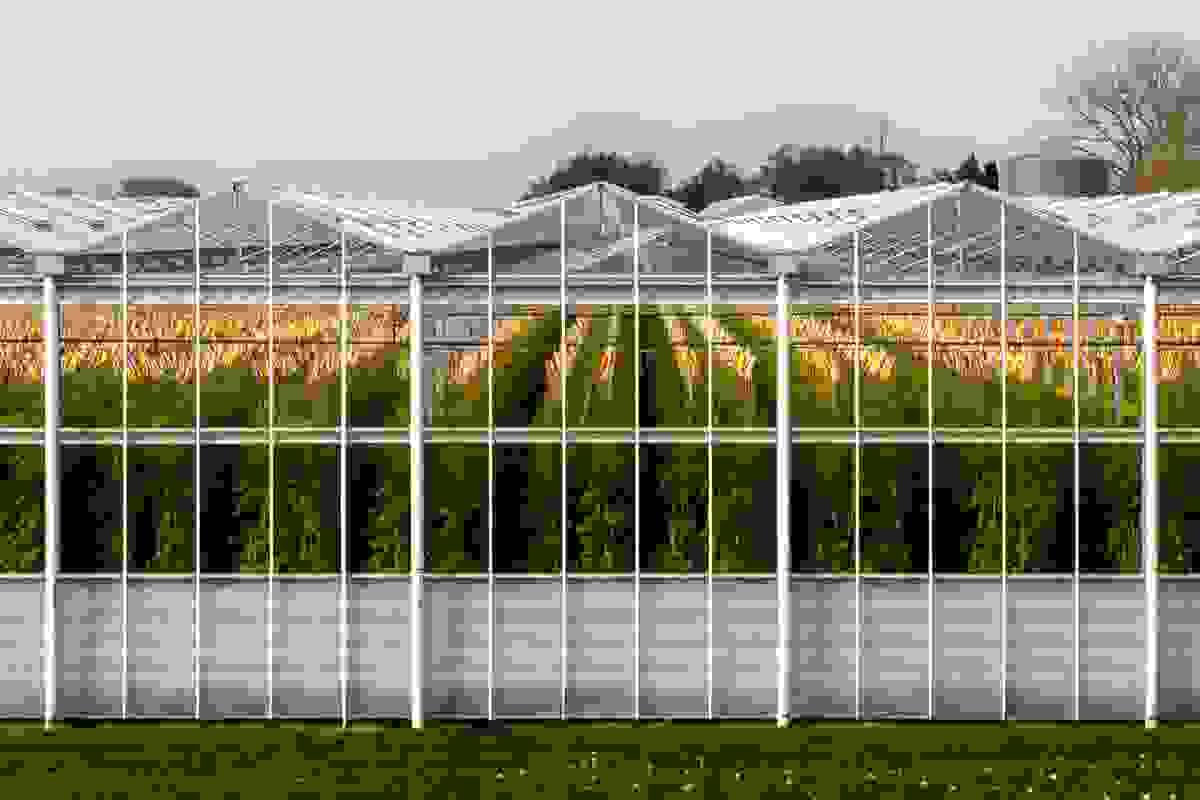
PHASE 3 - Business Scenarios
The production scenarios are the basis for scenario based business planning. We use multi-factor input assumptions for different scenarios driven by four macro forces that go beyond basic high, medium and low projections.
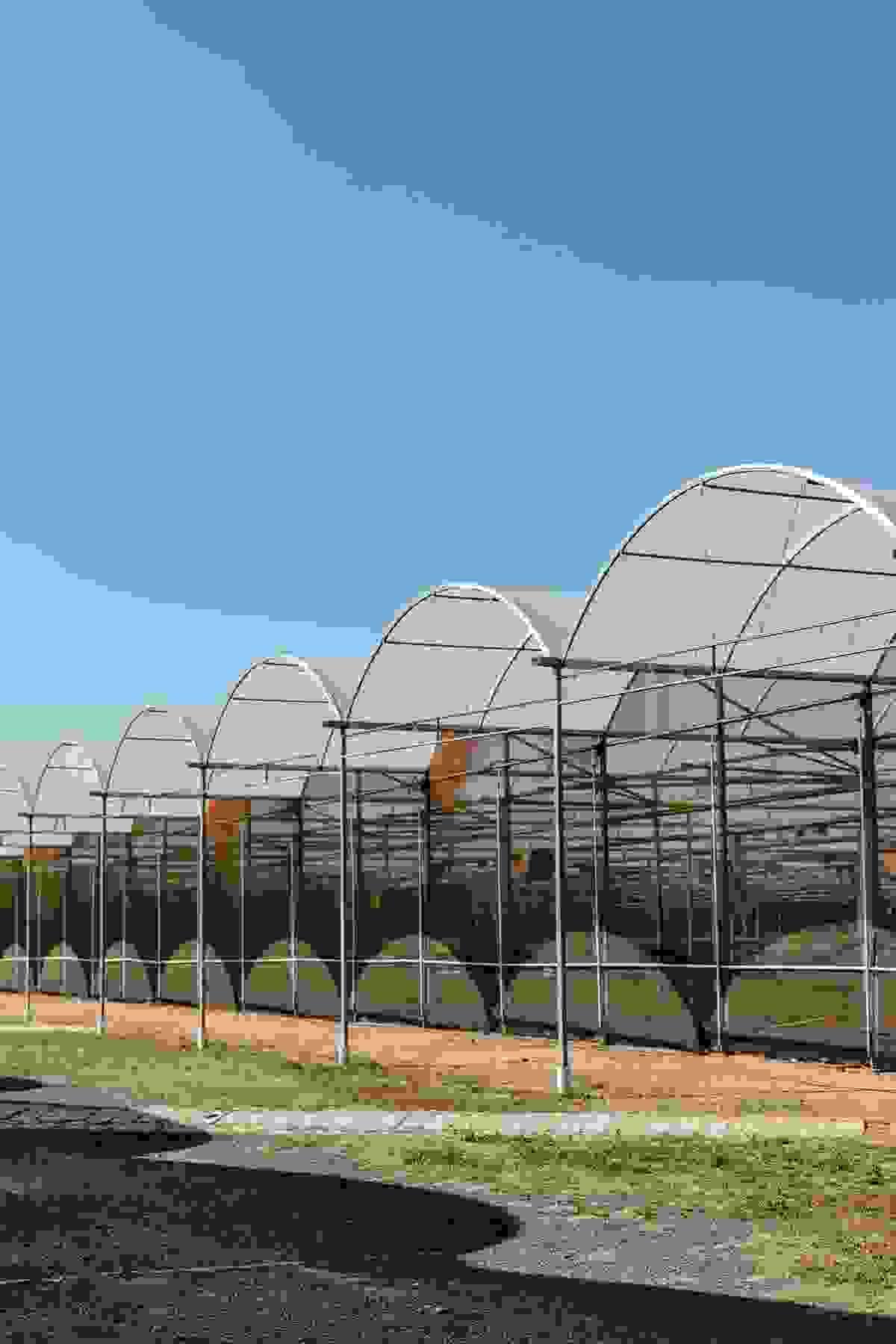
PHASE 4 - Financial Models
This includes financial models that run through the full cycle of new facilities and businesses, from initial planning through location and acquisition, followed by design, build out and launch before achieving full scale operations to provide realistic estimates of layered capital structures and operating costs. The financial models include:
- Transition or startup scenarios
- Retrofit and land acquisition
- Facility footprint, expansion preparation and maintenance
- Operating scenarios
- Operating Results: ProFormas and Real Time Monitoring
- Transition or startup scenarios

PAUL MASSON
Innovation Adoption, Financial Modeling, Strategic Alliances
Paul Masson has a multi-disciplinary career as a manager of projects, programs and operating units in Fortune 500 companies, startups, research organizations, state economic development units and Federal government agencies. He is the former contract CFO of two closed environment agriculture companies focused applying close-loop technology systems, primarily to mycellium (mushroom) growing with expansion into multiple crops, primarily applying Dutch style farming systems.
Key Financial Consulting and Modeling Roles
Head of Corporate Finance Consulting, SRI International
Investment Banking Project Manager, Babcock & Brown Trade Finance
Advisor, NASA, Technology Commercialization, Plant Growth, Space Shuttle
Senior Advisor, LBO Restructuring, Mushroom King Inc.
Contract CFO & Controller, Petaluma Mushroom Farm
Paul holds a BS in Economics from UPenn/Wharton and an MBA in Finance from UPenn/Wharton. He has been a lecturer at several Northern California colleges and universities, including Stanford Business School.

DUNCAN SOLDNER
Designer, Innovation
Lead & Grower
With a background spanning water resource regulation, controlled environment agriculture (notably mushrooms), technological innovation, and entrepreneurial leadership, Duncan Soldner has established himself as a prominent figure in sustainable farming.
He founded the Clearwater Group, served as President of Colusa Mushrooms, managed operations at Petaluma Mushrooms, and is an expert in Dutch-style indoor farming systems. Currently, he leads both the Clearwater Group and the Gourmet Growers Family Farm Cooperative. Specialist in farm design, system integration, and financial modeling for CEAs.
• Project manager for closed system upgrades at Petaluma Mushroom Farm
• Program manager overseeing upgrades at Mushroom King, Inc.
Designer of mushroom cultivation facilities in Colusa, CA
• Chief Executive Officer at Premier Mushroom
He directed the permitting, construction, and operational management of California’s largest mushroom farm utilizing advanced closed-loop, zero wastewater technology. Built between 2002 and 2008, the farm produces over 14 million pounds of mushrooms annually and incorporates renewable energy sources like walnut shell combustion. Its air treatment system captures nutrients and repurposes airborne elements into soil amendments, while all environmental controls are microprocessor-based, remotely managed by mobile applications.
Duncan earned a Bachelor’s degree in Humanities from UC Davis and pursued legal studies at Santa Clara University. He has also served as a humanities educator at San Francisco State University, sharing his expertise with students.Resources
Wikipedia

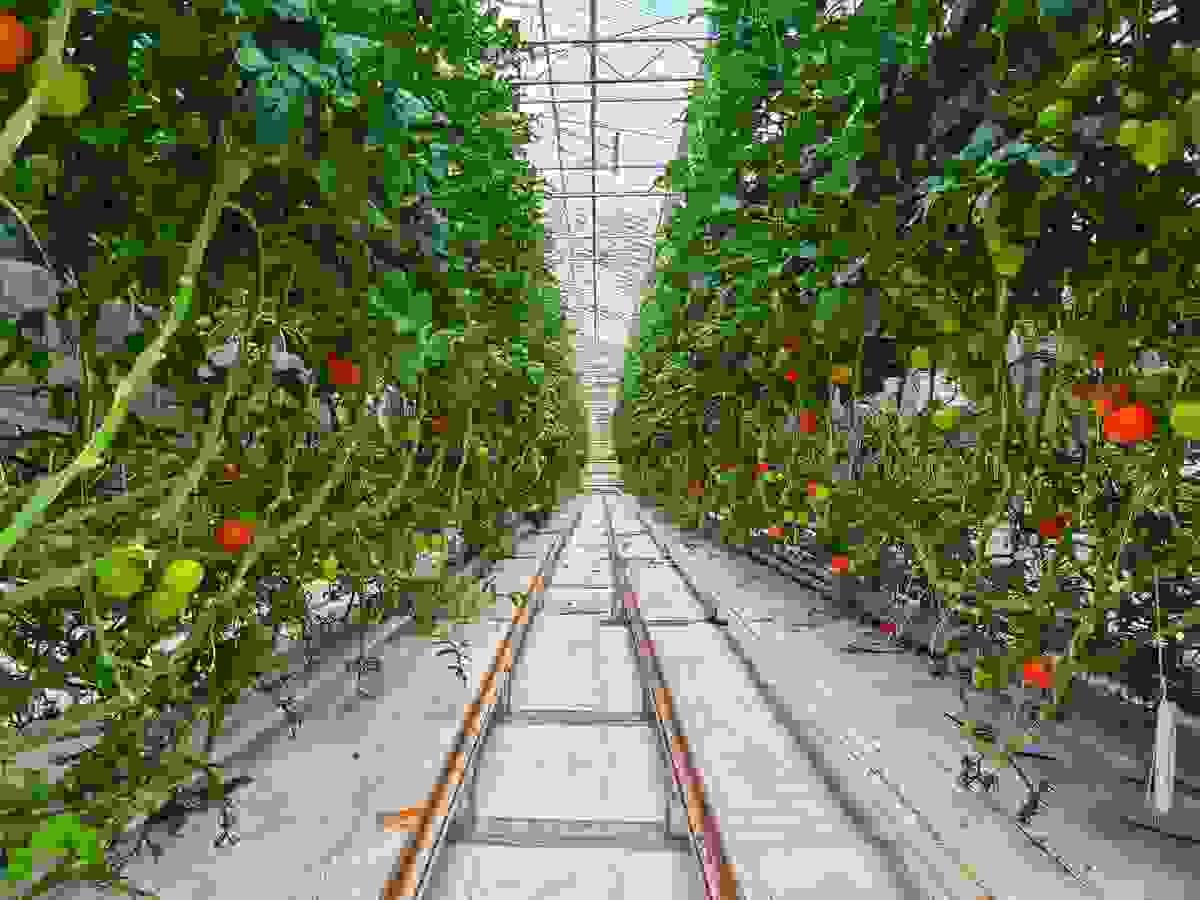
This article provides an in-depth analysis of the financial challenges faced by indoor farming ventures in 2025, highlighting key factors contributing to bankruptcies and lessons for future investments.

Premier Mushroom: First Closed Loop Indoor Farm in North America